You Never See the Sun Where It Actually Is — Only Where It Was 8 Minutes Ago
Light takes time to travel, so every glance into space is a glance into the past. The night sky shows stars as they were years, even millennia, ago.
Today’s hidden fact · Sunday, August 9, 2026
Voyager 1 is over 24 billion km away, so far its radio signal takes 22+ hours to arrive, sent by a transmitter weaker than a refrigerator bulb.
A football-field-sized lab, falling around Earth at 8 km every second.
ISS Oleg Kononenko · Nikolai Chub · Tracy Caldwell Dyson · Matthew Dominick · Michael Barratt · Jeanette Epps · Alexander Grebenkin · Butch Wilmore · Sunita Williams
Tiangong Li Guangsu · Li Cong · Ye Guangfu
2010 JA
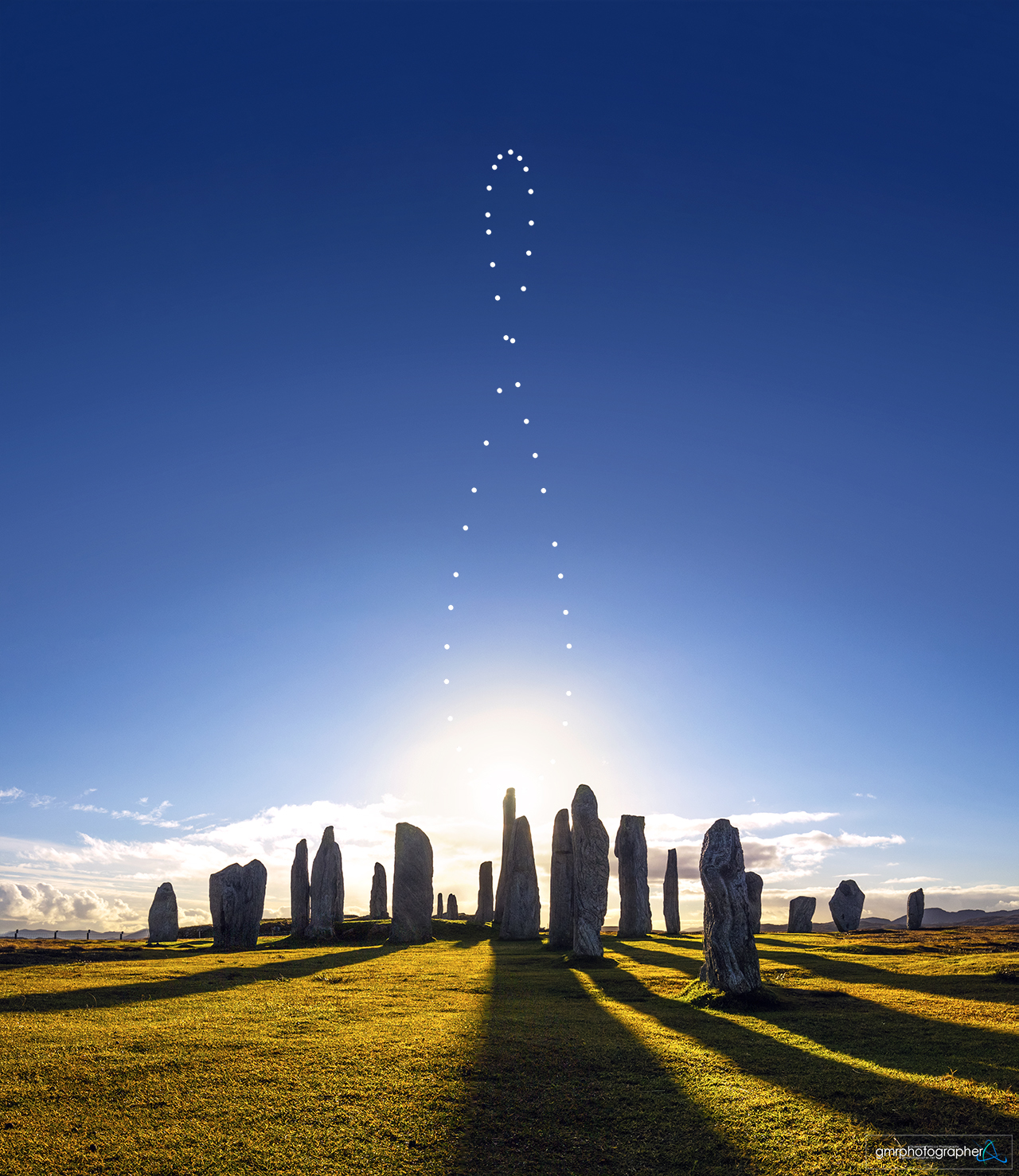
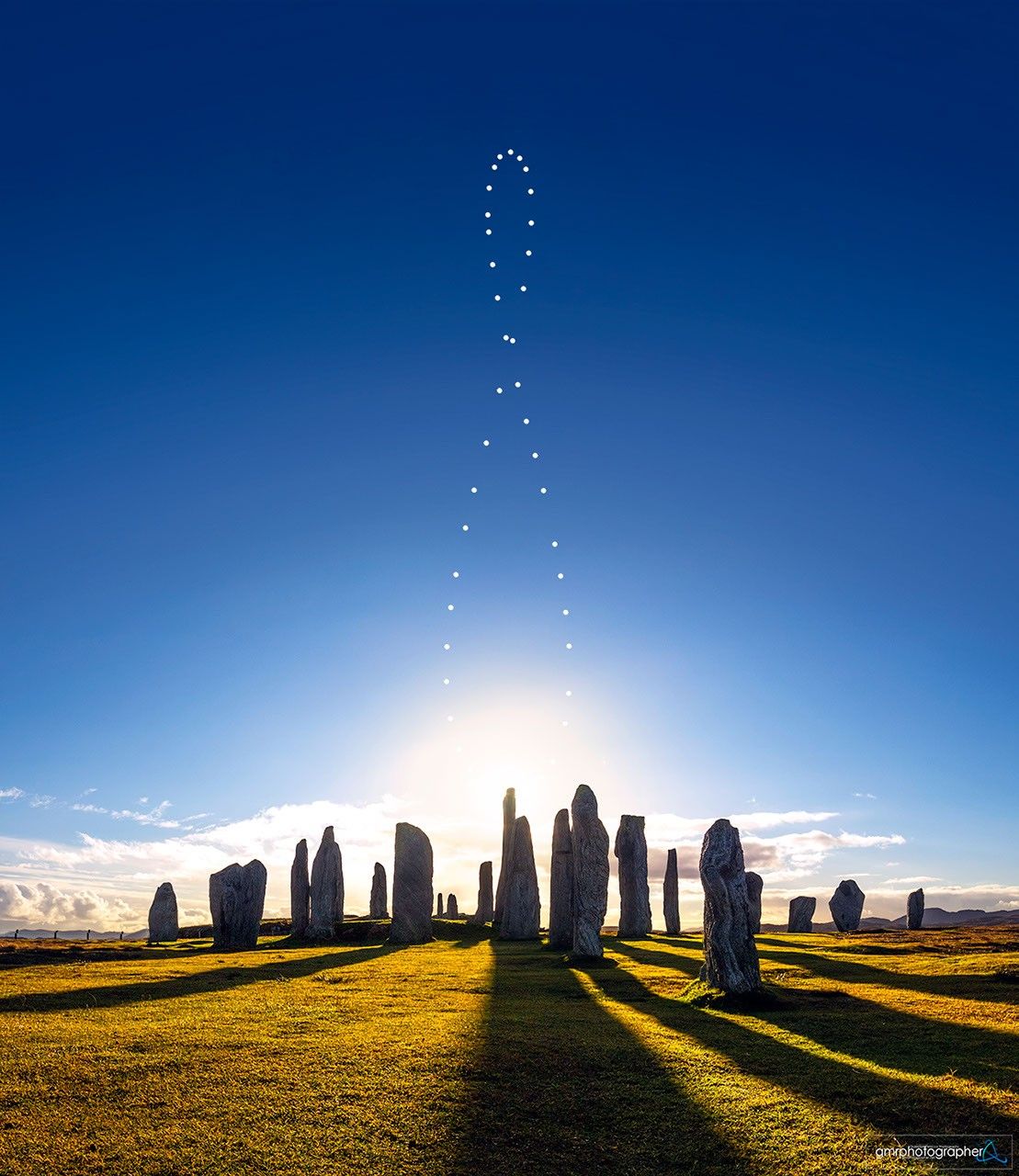
Analemma over the Callanish Stones
If you went outside at the same time every day and took a picture that included the Sun, how would the Sun's position change? A visual answer to that question is an analemma, a composite image taken from the same spot at the same time over the course of a yea…
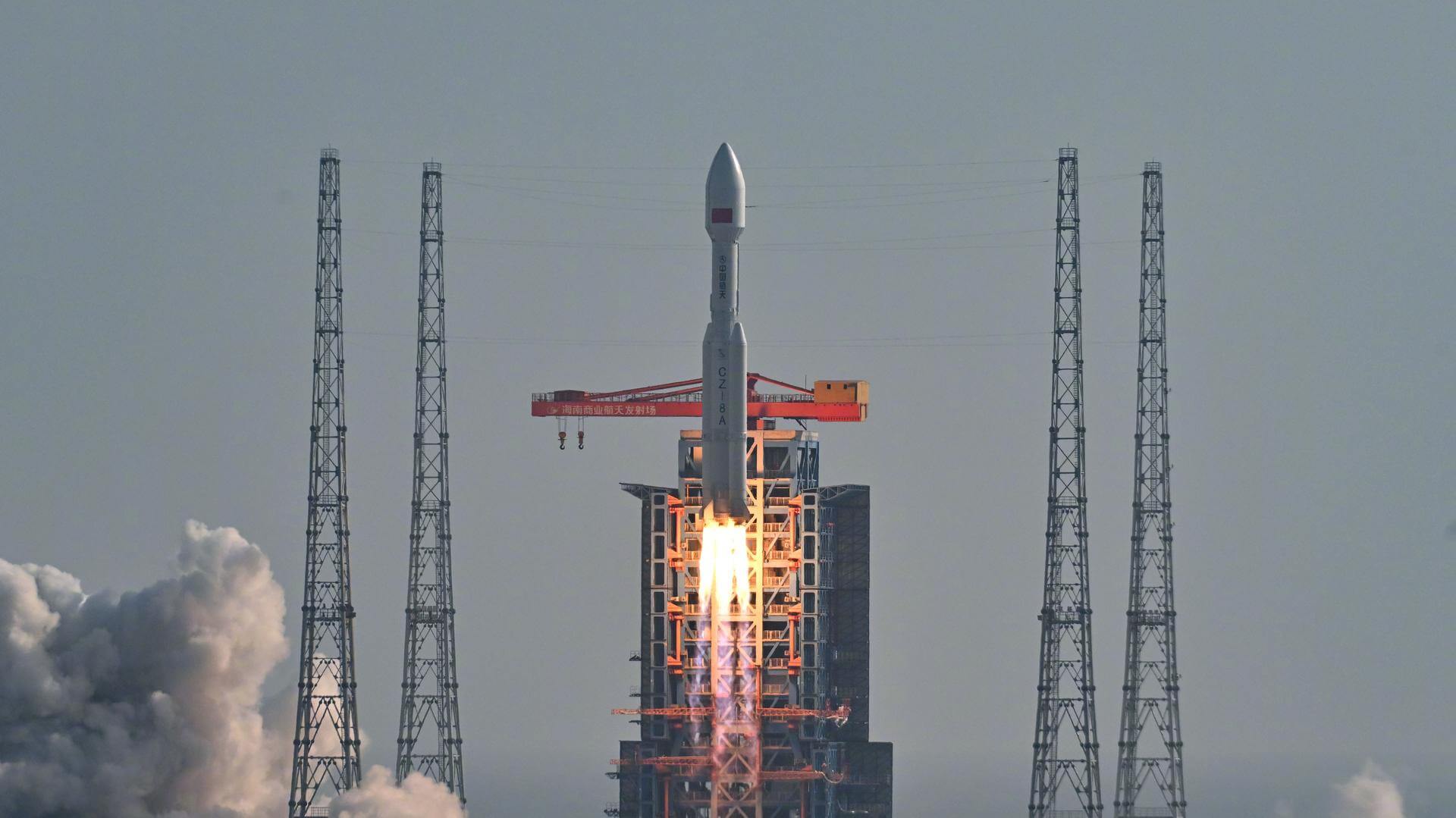
Long March 8A | Unknown Payload
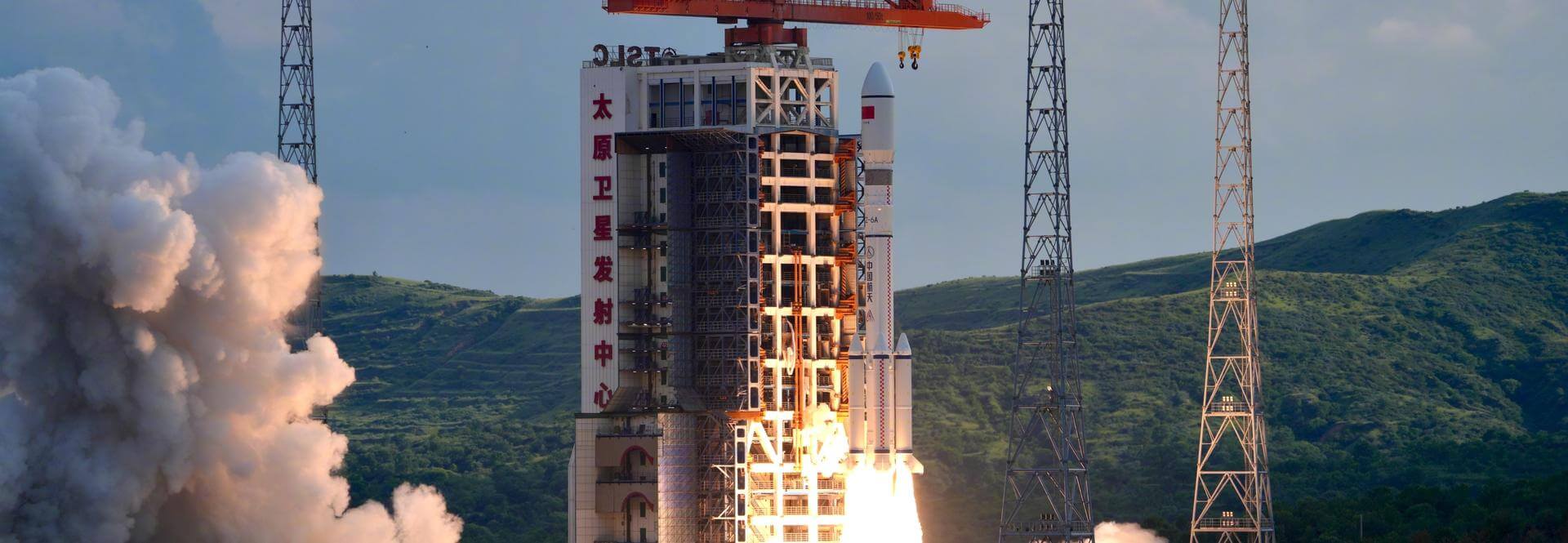
Long March 6A | Unknown Payload
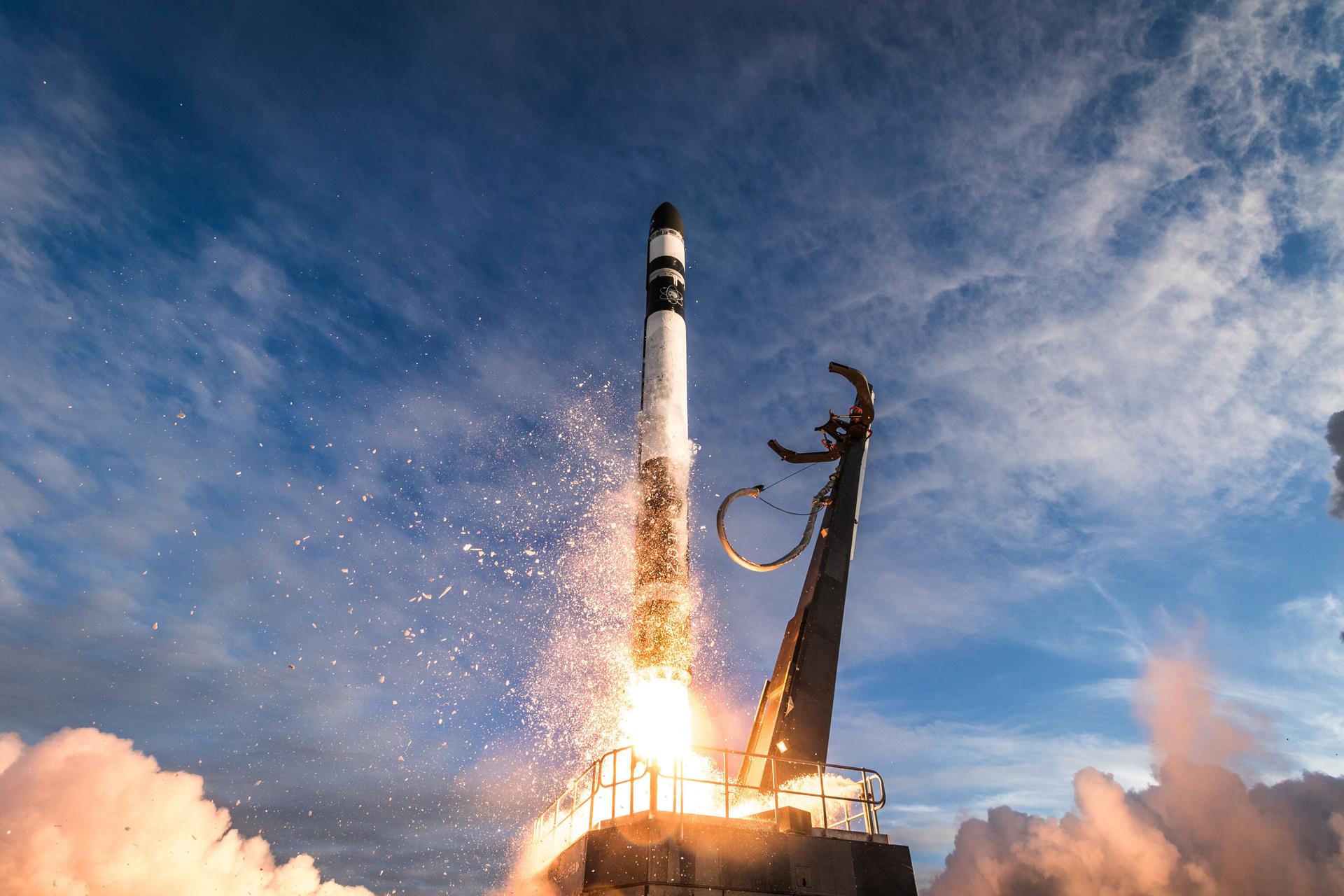
Electron | Owlright, Owlright, Owlright (StriX Launch 13)
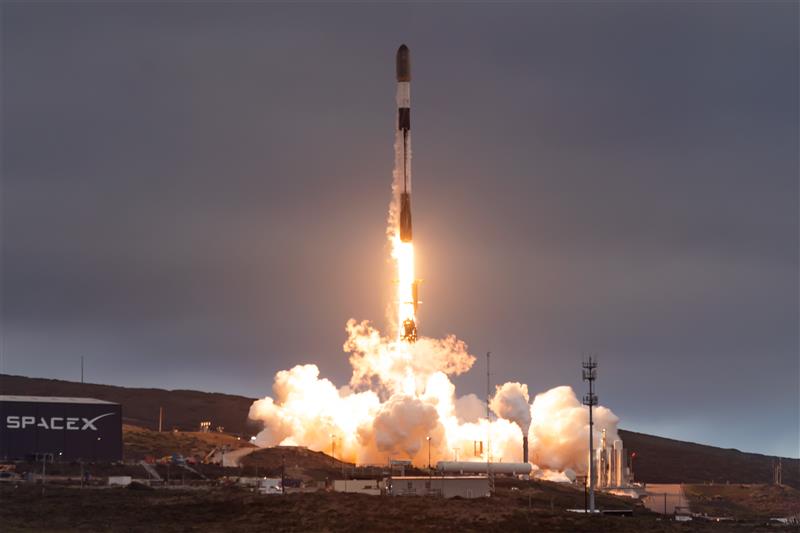
Falcon 9 Block 5 | USSF-385
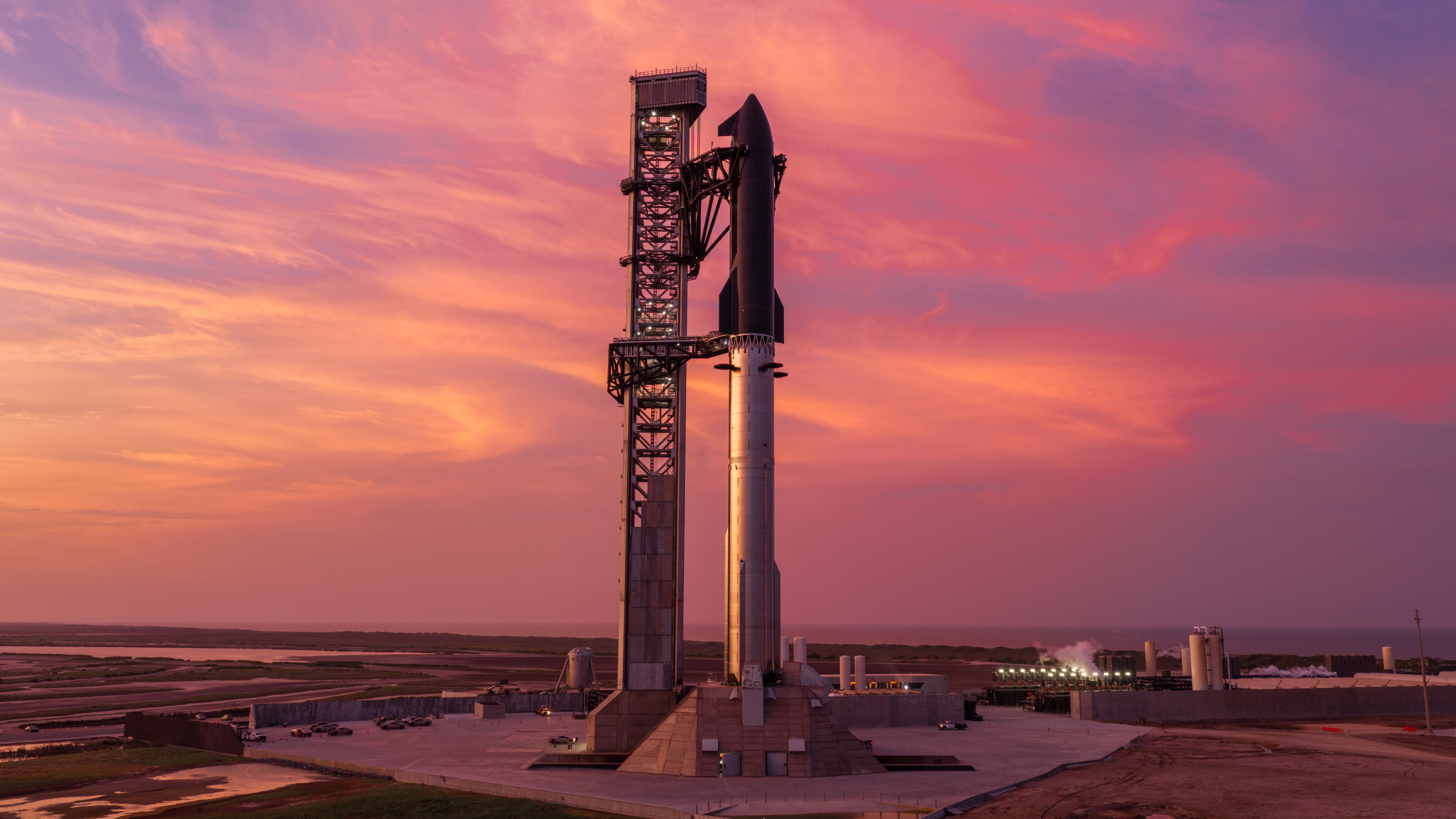
Starship | Starlink Group 31-1 (Starship Flight 14)

Falcon 9 Block 5 | Starlink Group 15-25
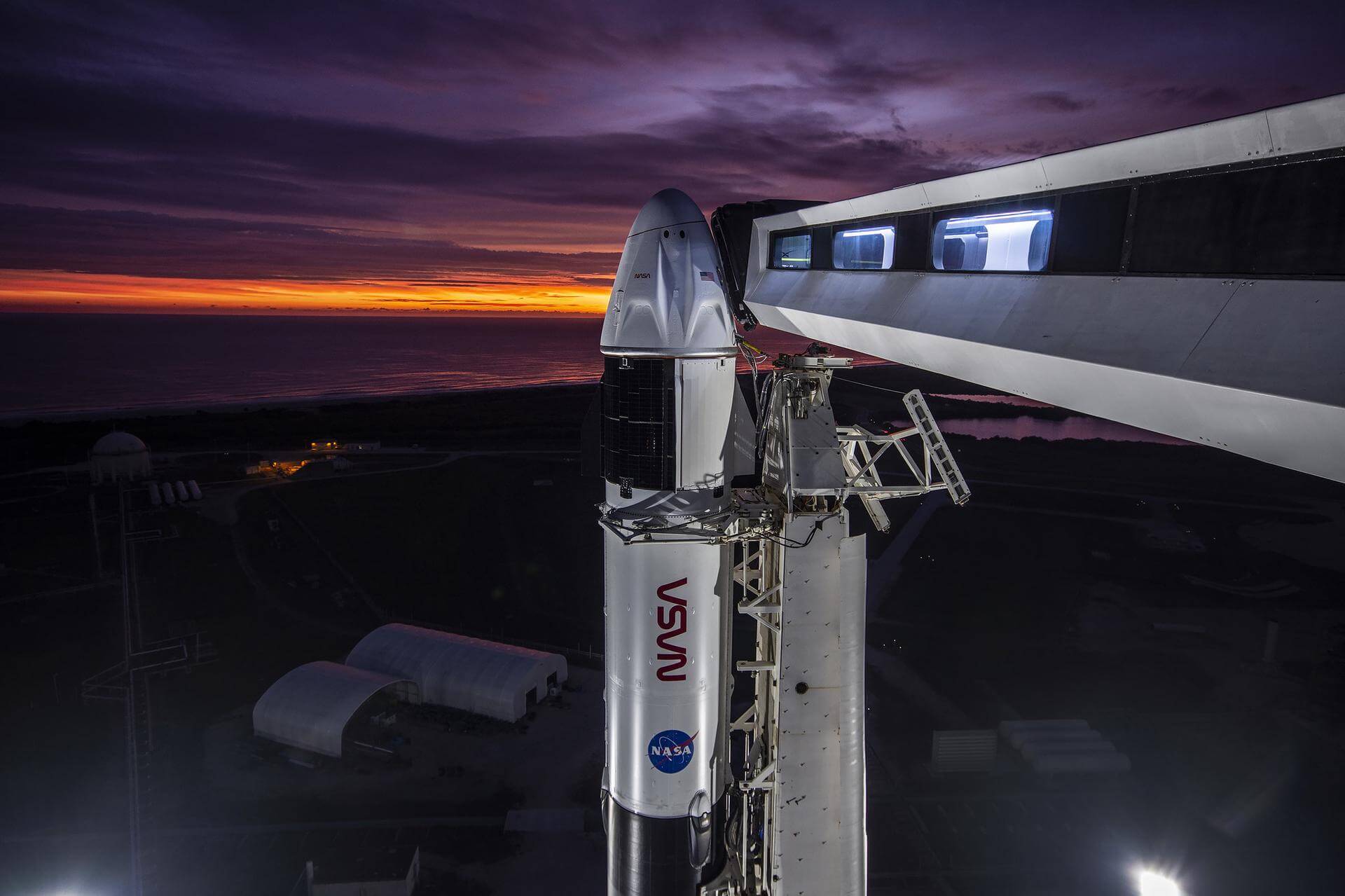
Falcon 9 Block 5 | Crew-13
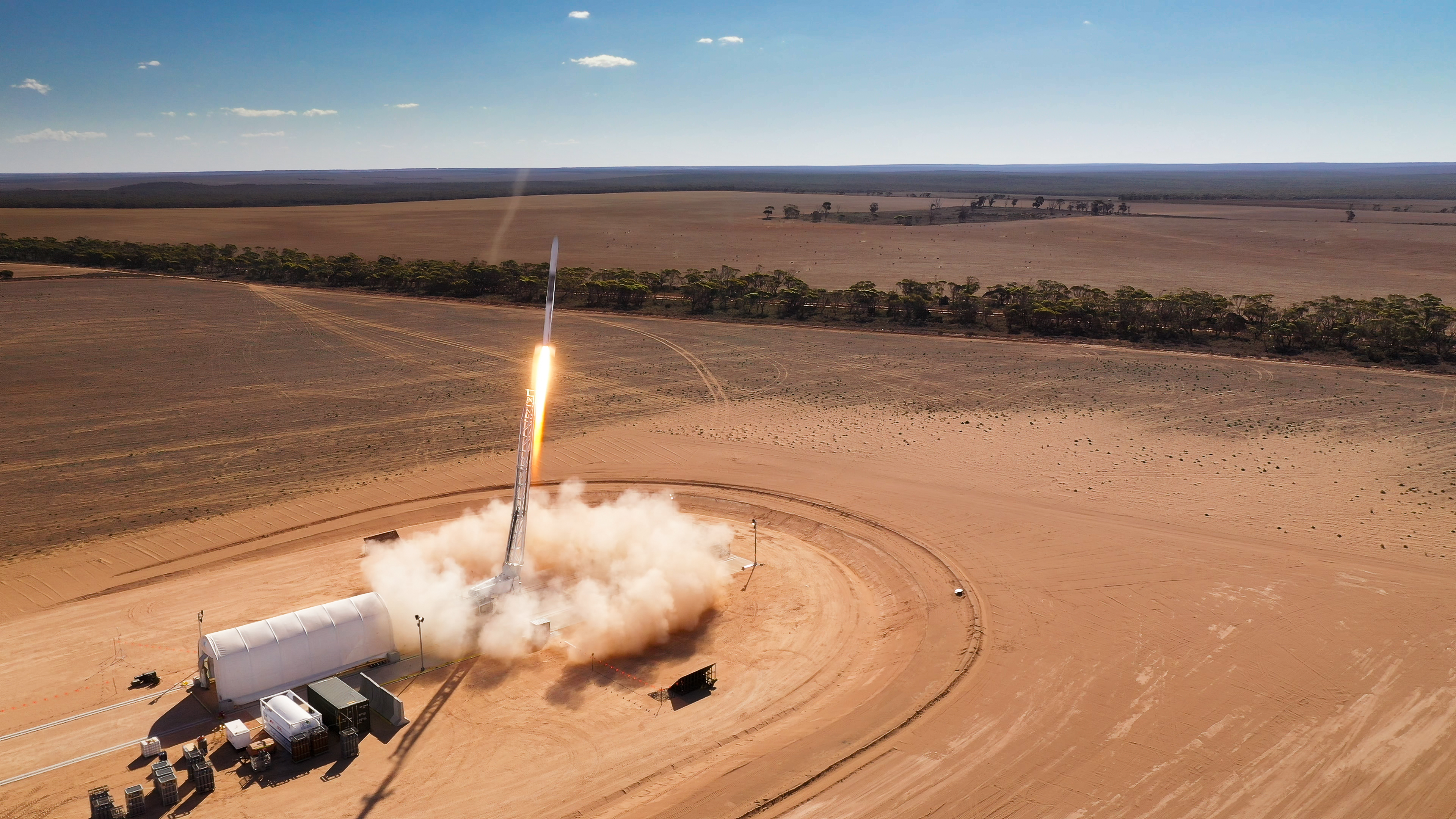
SR75 | Flight 2
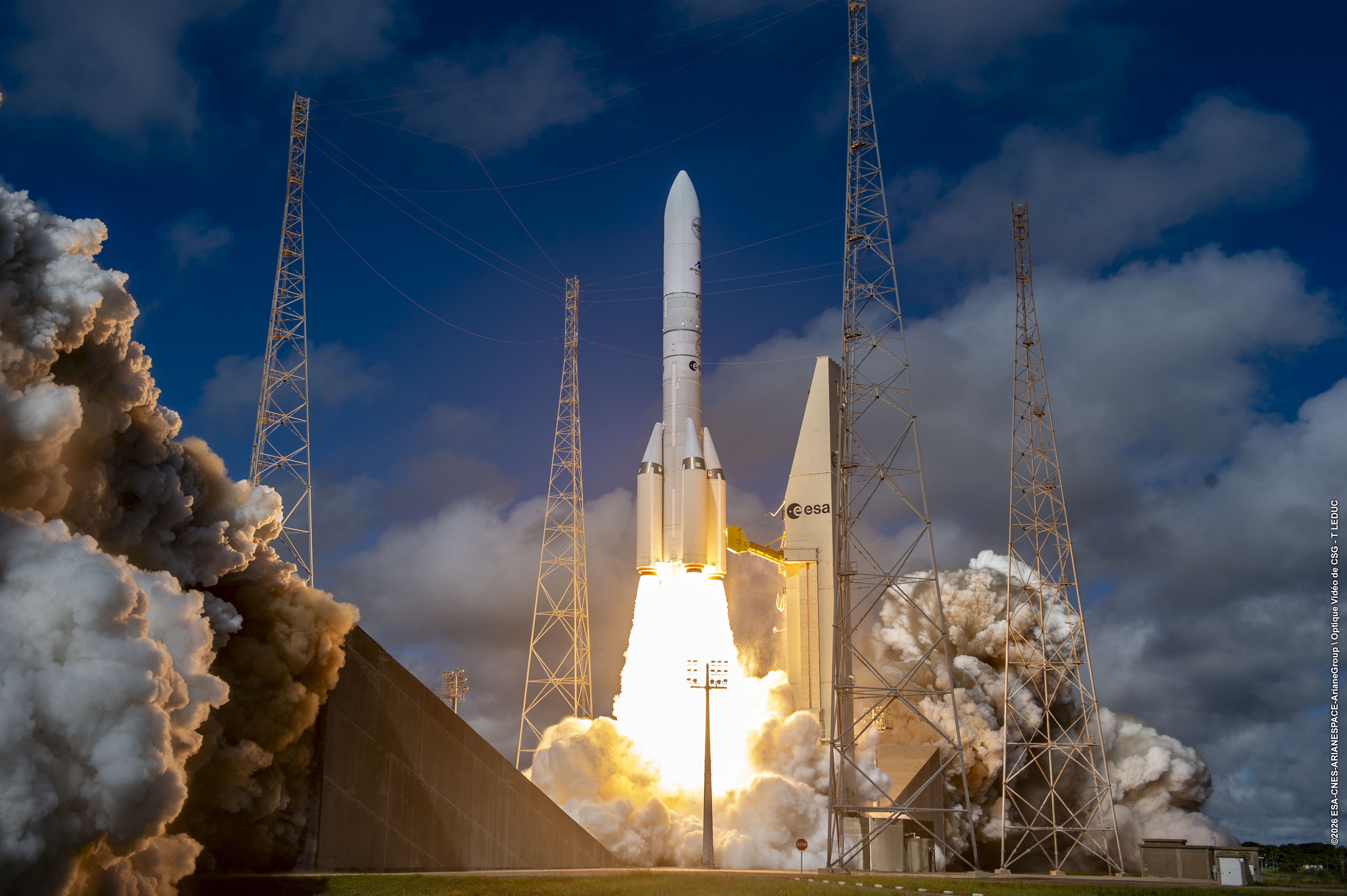
Ariane 64 Block 2 | Amazon Leo (LE-04)
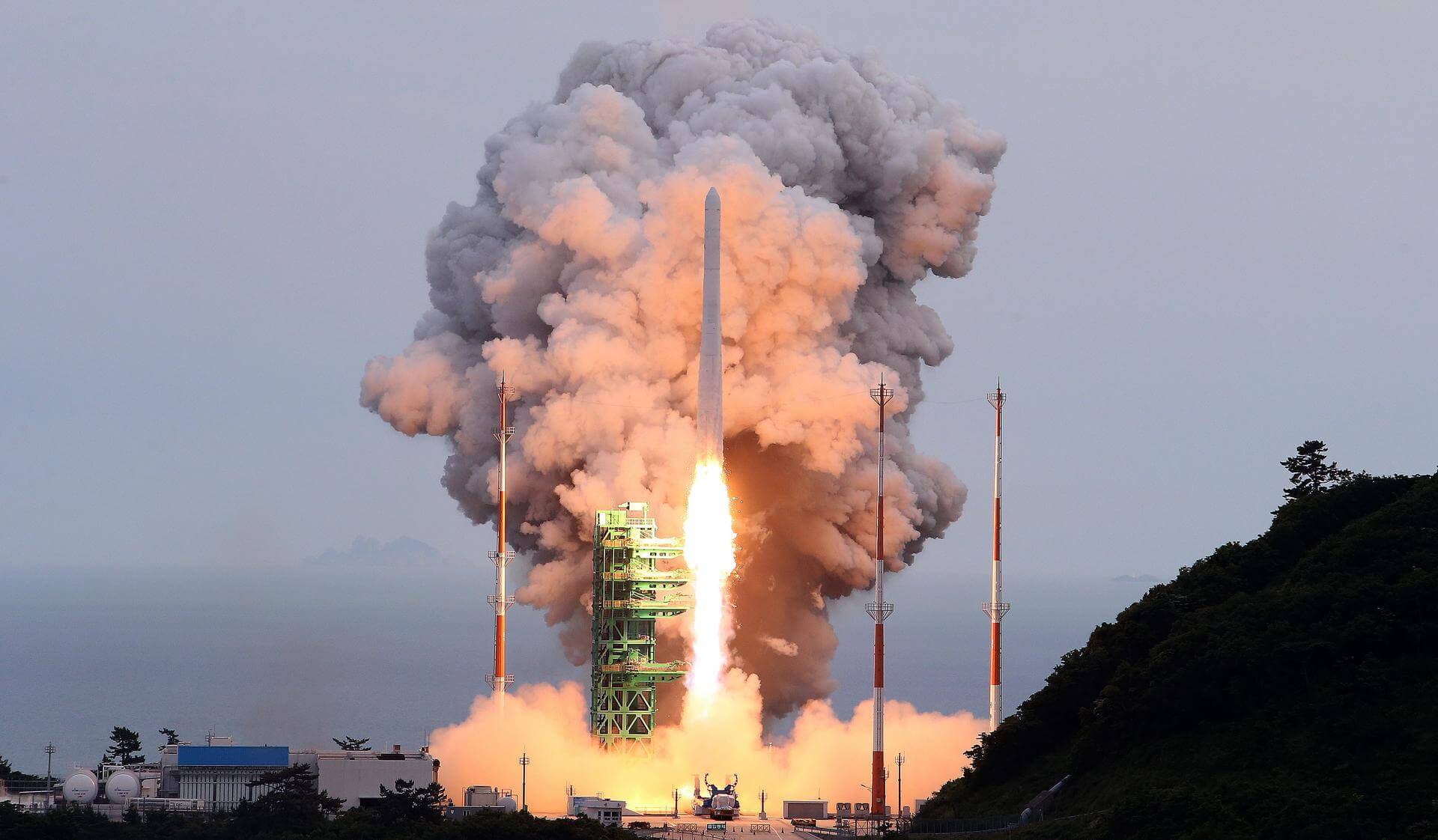
Nuri | NeonSat-2 to 6
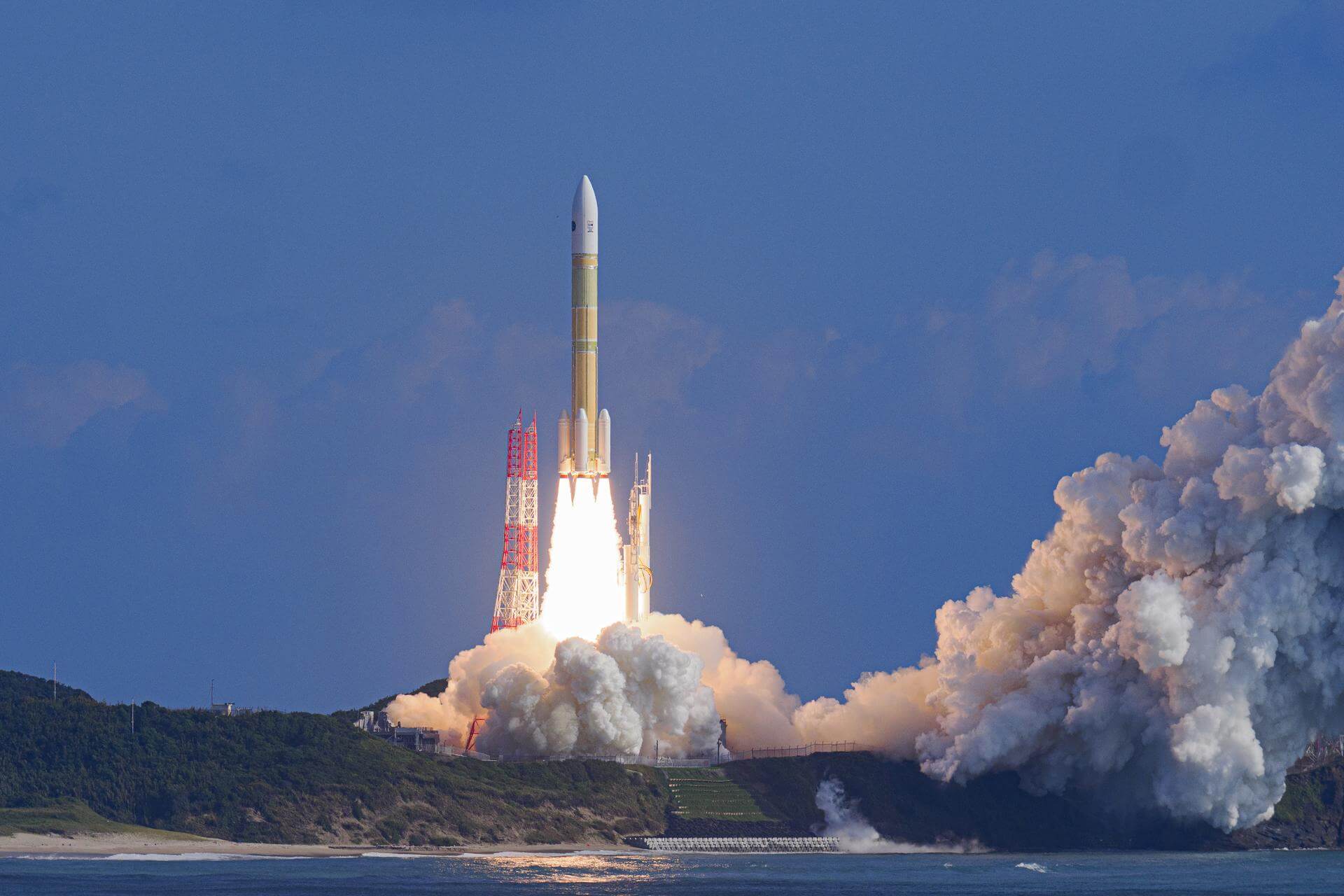
H3-24 | Martian Moon eXplorer (MMX)
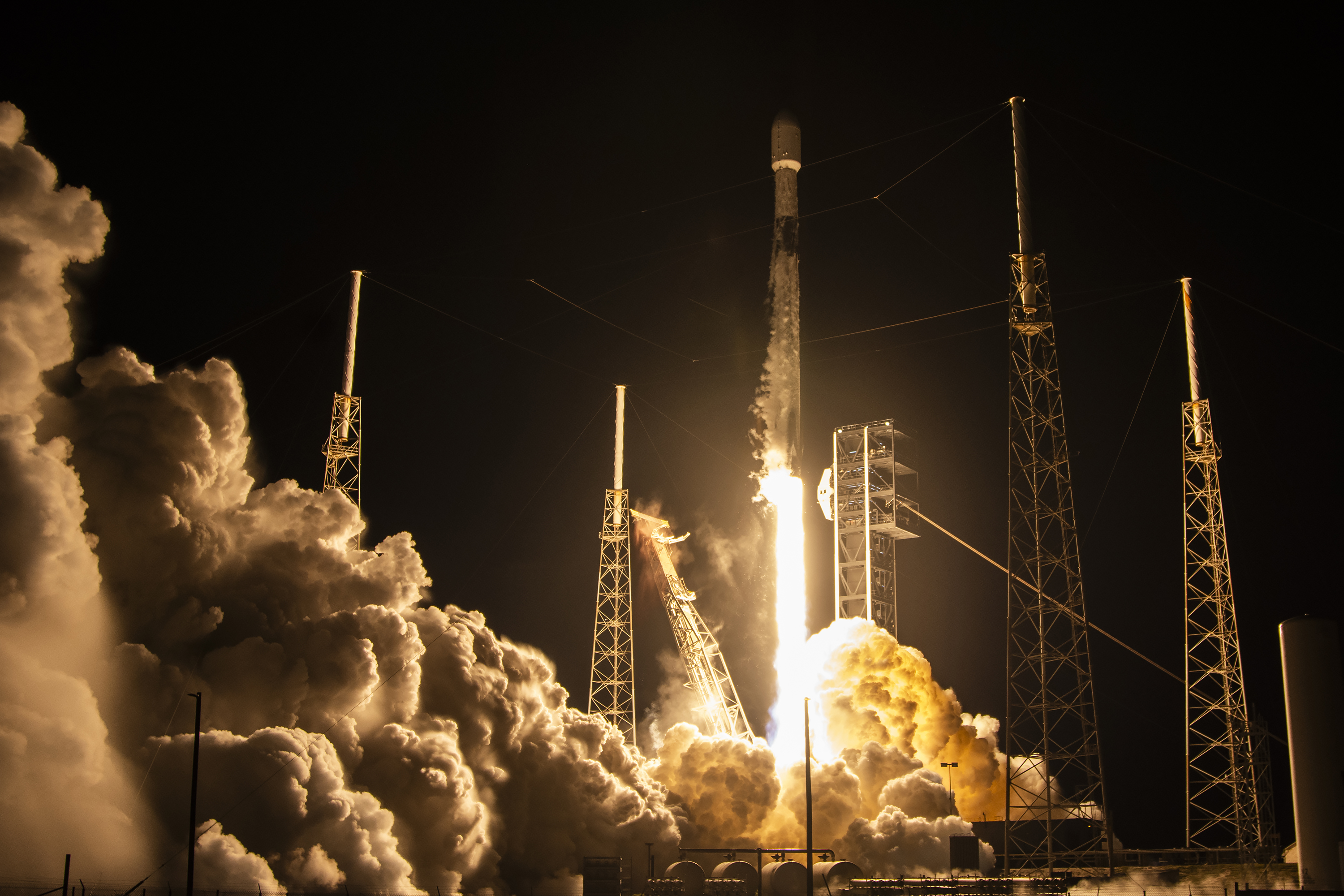
Falcon 9 Block 5 | Bandwagon 5 (Dedicated Mid-Inclination Rideshare)
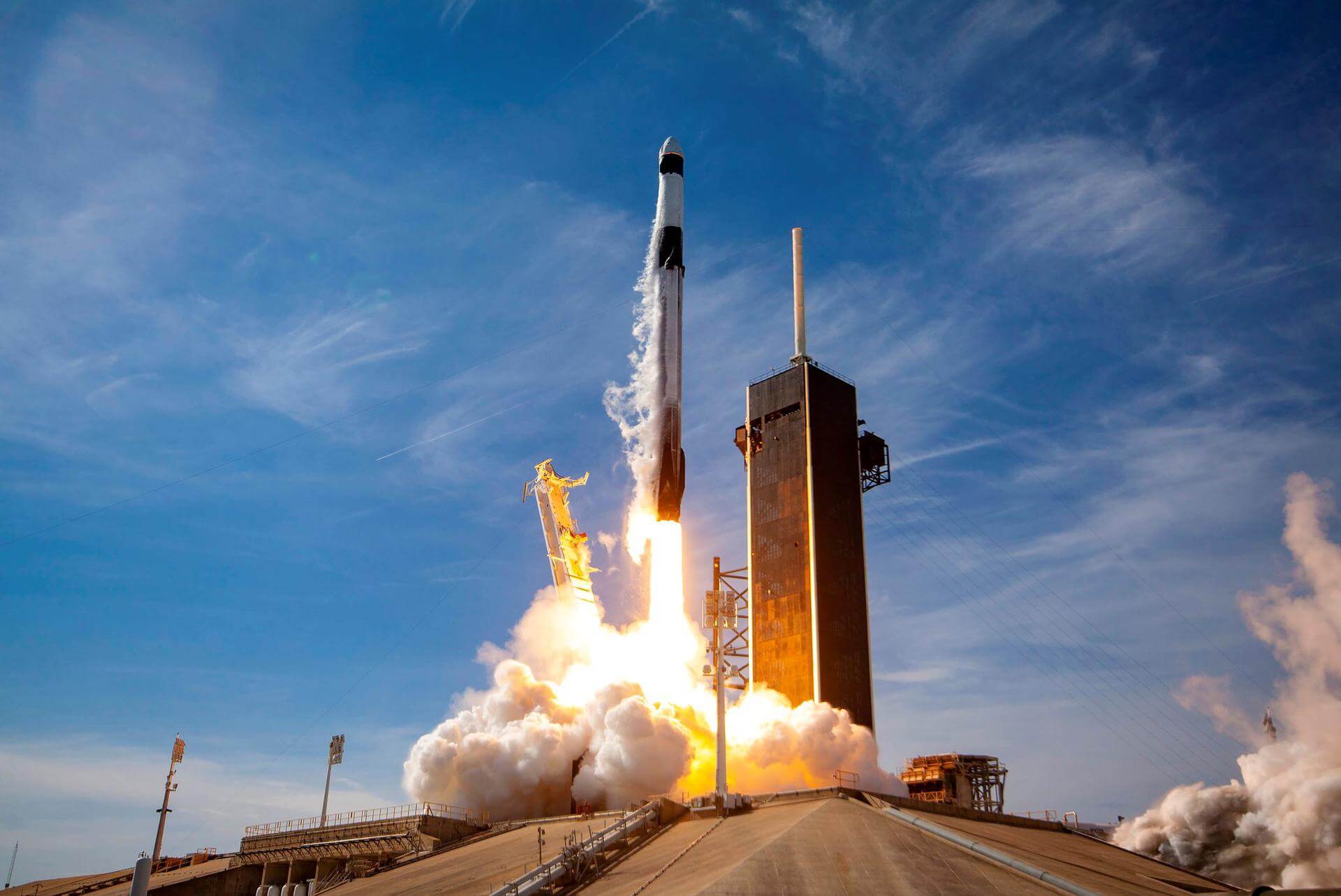
Falcon 9 Block 5 | Dragon CRS-2 SpX-35
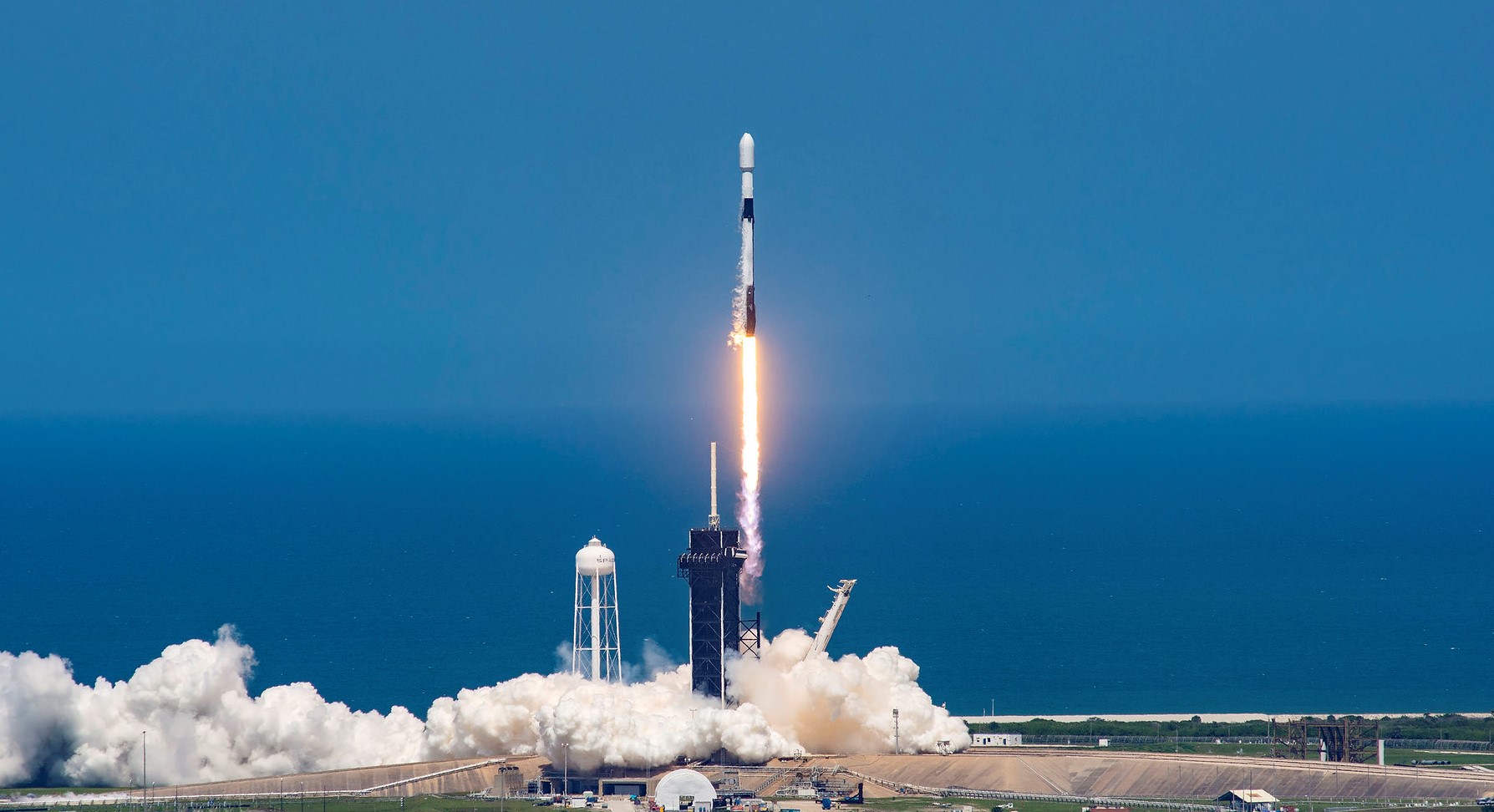
Falcon 9 Block 5 | SDA Tranche 1 Transport Layer A
Falcon 9 Block 5 | Transporter 18 (Dedicated SSO Rideshare)
2010 JA
2012 VB37
2016 LY8
2008 ST
2018 HN
376848 2001 RY47

ESA · today
ESA x TPCI - Pikachu in the Cupola
From the ESA Blogs.…

ESA · today
Pikachu in the Cupola
NASA · today
APOD: 2026 September 20 – Analemma over the Callanish Stones
Spaceflight Now · today
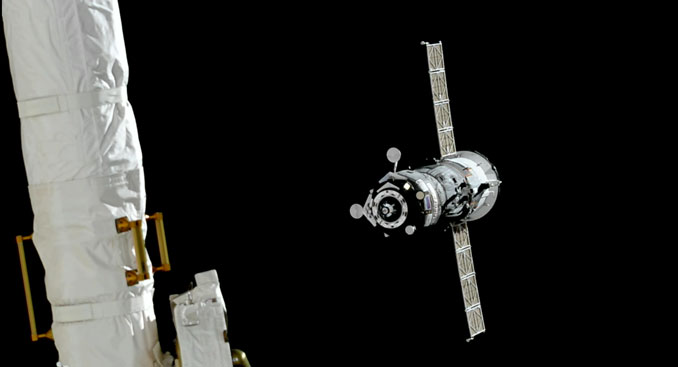
Russian Progress cargo ship arrives at International Space Station
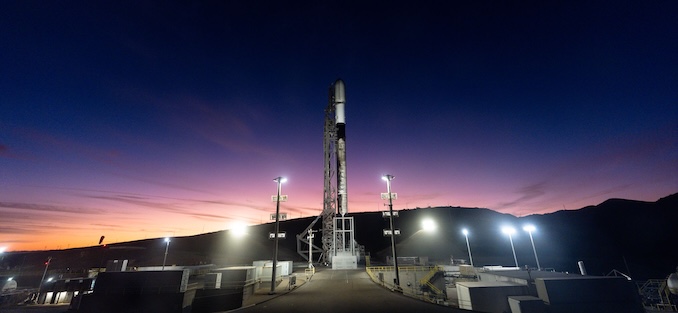
Spaceflight Now · today
Live coverage: SpaceX to launch 27 Starlink V2 Mini satellites on Falcon 9 rocket from Vandenberg
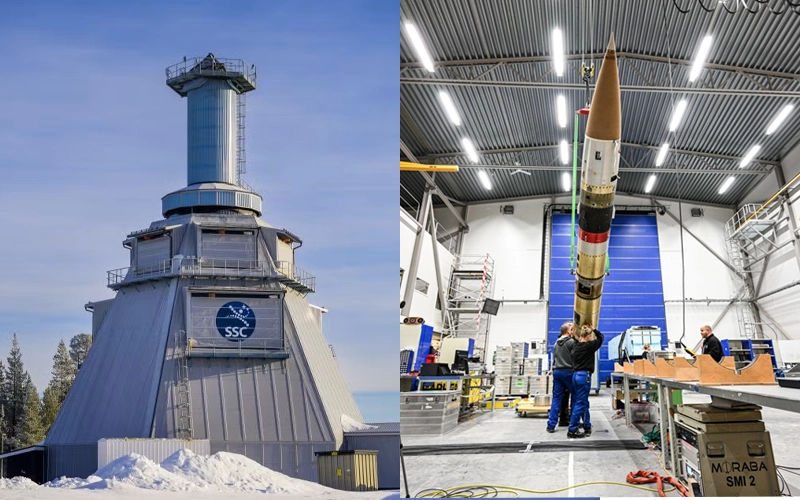
European Spaceflight · yesterday
DLR’s Suborbital MAPHEUS-17 Mission to Launch as Early as 1 October
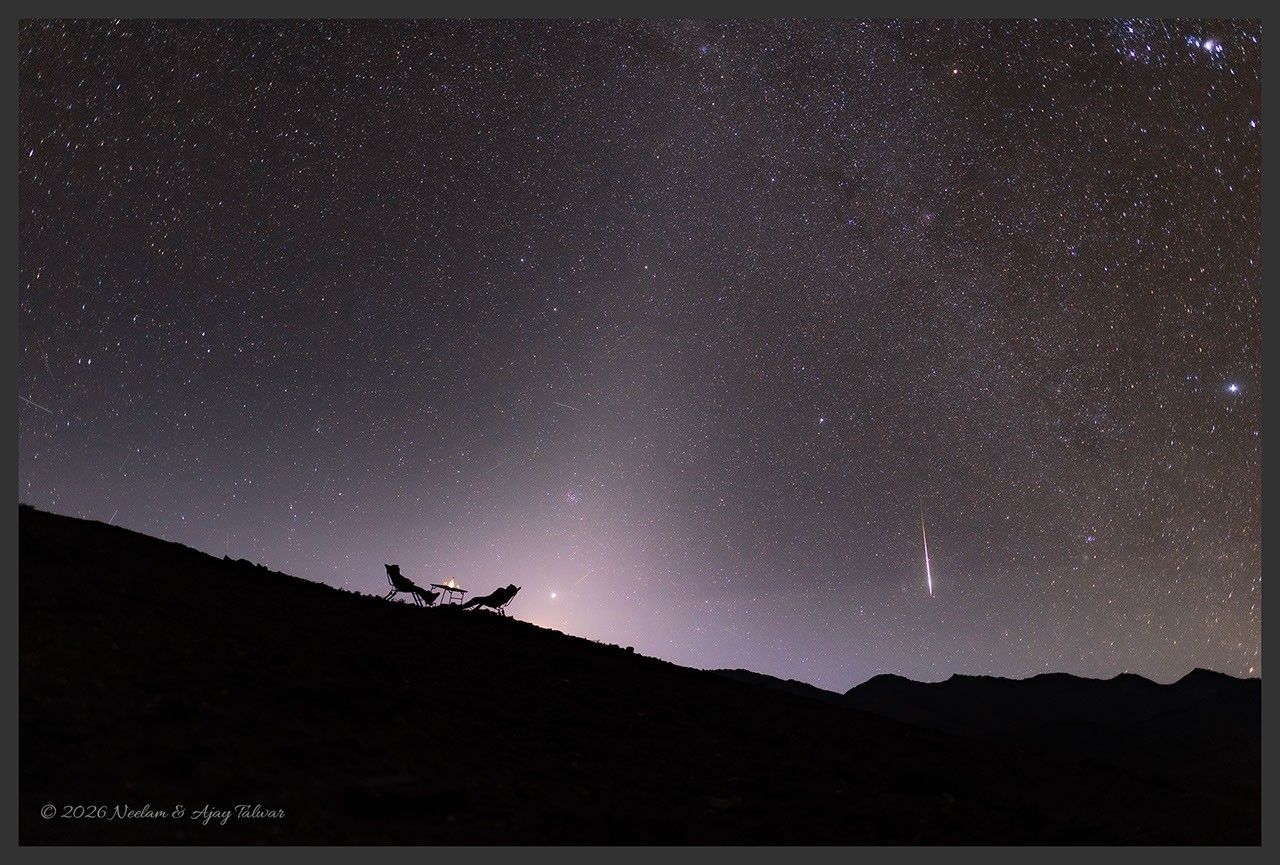
NASA · yesterday
APOD: 2026 September 19 – A Zodiacal Night
Scroll from your rooftop to the edge of the observable universe. Every stop is real.
Begin the voyage →The real solar system, computed from orbital mechanics. Scrub time and watch the maths.
Run the simulation →Five questions, one round a day, same for the whole planet. Build your streak.
Play today's round →Put Earth next to the Sun. Then next to a black hole. Watch your brain give up.
Compare anything →Black hole, light-year, quasar — every space term, explained like a human.
Learn the language →Light takes time to travel, so every glance into space is a glance into the past. The night sky shows stars as they were years, even millennia, ago.
In 2015 we caught two black holes colliding a billion light-years away, wobbling spacetime by less than the width of a proton. Einstein predicted it a century earlier.
The Carrington Event made auroras glow over the tropics and shocked telegraph operators. A repeat today could cripple power grids and satellites worldwide.